sábado, 6 de abril de 2019

What a Keto Diet Cheat Meal Might Do to Your Body

Each week, we read what's going on the world of science and bring three of the wildest findings straight to you. Scroll through for the latest. Note: this article originally appeared on Tonic in the US.

Taking a sudden break from your keto diet might negatively impact your blood vessels

During a cheat meal, you throw your food rules out the window and indulge. For people on the keto diet, this might mean filling a plate with carbohydrates, which the body metabolizes as glucose. A keto diet is rich in fats and proteins, and a very low amounts of carbohydratesâ€" the goal is to cause the body to go into a state called ketosis, where it burns fat as its energy source, instead of glucose.

In a new paper published in Nutrients, researchers were interested to see what would happen when people on a keto-like diet were reintroduced to the carb-rich foods they had been avoiding (like during a cheat meal).

Impaired glucose tolerance and spikes in blood sugar are associated with cardiovascular disease, says Jonathan Little, an exercise and diabetes researcher at The University of British Columbia, and senior author of the study. Because of that association, he and his colleagues looked at people’s blood vessels when they were given glucose after spending a week on a low-carb, high-fat diet.

Little tells me that they didn’t measure ketones in their subjects to definitively tell whether they were in ketosis in the study. But since all the foods were provided, and people ate less than 50g of carbs per day, it was “like ketogenic.”

After one week on this diet, they gave nine healthy males 75 grams of glucose, which is about the same amount of glucose as a large bottle soda or a plate of fries, a press release says. They saw a spike in glucose, which was to be expected, but also saw evidence in their subjects of blood vessel wall damage.

The markers they saw are called “endothelial microparticles” or “endothelial microvesicles,” which are small pieces of the cells that line the surface of the vessel. They are released when the cells are inflamed or damaged. These microparticles weren’t present when glucose was given before the low carb high fat diet. “If endothelial microparticles go up in your blood it tells us that the endothelial cells appeared to be unhappy,” Little says.

Cody Durrer, first author on the paper, says that their findings could suggest that following a keto diet might make you more intolerant to carbohydrates and predispose you to blood vessel damage if you suddenly gorge on carbs.

"My concern is that many of the people going on a keto dietâ€"whether it's to lose weight, to treat Type 2 diabetes, or some other health reasonâ€"may be undoing some of the positive impacts on their blood vessels if they suddenly blast them with glucose," Durrer says in the release. "Especially if these people are at a higher risk for cardiovascular disease in the first place."

The study also found, though, that the increase in these markers of damage was transient, and returned to baseline measurements within two hours. “It is possible that this could be a normal adaptive response that helps kickstart the body, or ‘wake it up,’ to the reintroduction of carbohydrates after not consuming much of them for a week,” Little explains.

For now, these effects need to be studied in a larger sample size. Little says that if a keto diet is helping you achieve greater health goals, and a cheat meal helps you sustain those goals, then he still thinks the potential benefits might outweigh any potential risks.

Your brain processes metaphors literally

We often speak in metaphors, where words don’t literally mean what we say. She grasped the idea, is different than grasping a fork; a rough day is different than a rough towel; a sweet boy is not the same as a sweet cupcake.

But our brains might process metaphors and their literal counterparts in very similar waysâ€"previous studies have suggested that our understanding of metaphors may be rooted in their physical meanings. There’s some evidence that when we hear phrases like she grasped the idea, the parts of our brain involved with sensory-motor function (the other grasping) are active too. Or that tactile and taste metaphors (rough and sweet) also activate sensory regions of the brain.

In a new study in Brain Research, researchers looked at when exactly these brain activations of the literal interpretations of metaphors took place. Were metaphors first being processed in the literal sense, and then metaphorically? This could help answer an outstanding question: Is the literal understanding necessary to understand a metaphor at all?

Watch more from VICE:

The study looked at when different brain regions were active when people were given three sentences, two with a shared metaphorical word, and one without. For example: The bodyguard bent the rod, the church bent the rules, and the church altered the rules.

When people saw the word bent they had similar response in the brain each time, even when bent was being used metaphorically. The sensory-motor areas of the brain were active right away, in around 200 milliseconds.

“Metaphoric phrases behaved more like concrete literal phrases in that both rapidly activated sensor-motor systems,” says Vicky Lai, an assistant professor of psychology and cognitive science at The University of Arizona, and the paper’s first author. She says their findings still don’t fully reveal how we understand metaphors, but they let us know that the literal understanding is probably very important to comprehending the metaphor overall.

Moreover, Lai says that it furthers her work on how metaphors might benefit learning and emotion. For learning, one of her other metaphor projects asks if students can more easily learn science concepts when there are metaphorical explanations. Another asks people to use metaphors to think about past sad experiences, and see if it helps them feel better.

Until we know more about how to use metaphors for our benefit, they can reveal how speakers between cultures organize their conceptual categories, she says.

“For example, in Mandarin Chinese you can say ‘stir-frying the stock market,’” she says. “Which means to manipulate the stock market for one's benefit.”

Mice grew taste buds in their lungs after having the flu

Despite getting my flu shot, I still got the flu this year, and spent about a week not moving farther than from my bedroom to my couch. But for some people, the effects of the flu linger way beyond a week, and they have continuing problems with their lungs.

In a new study in the American Journal of Physiology Lung Cellular and Molecular Physiology, researchers infected mice with the flu and then examined their lungs, to see how their lungs recovered.

“A severe case of the flu can actually reshape the architecture of [the rodents’]their lungs and forever compromise their respiratory function,” says a press release from the University of Pennsylvania's School of Veterinary Medicine.

To the researcher’s surprise, they found cells in the lungs that are nearly the same as taste bud cells, called tuft cells, or solitary chemosensory cells.

These are the same kinds of cells that detect bitterness, and “when the researchers stimulated the out-of-place cells with bitter compounds, they went wild, growing and triggering an inflammatory response,” Live Science reported.

“It was just really weird to see, because these cells are not in the lung at baseline,” senior author and biologist at Penn’s School of Veterinary Medicine, Andrew E. Vaughan, says in the statement. “The closest they are normally is in the trachea.”

This study was done in mice, so the next step is to see if humans also have these kinds of cells in their lungs after getting the flu. If they do, it could explain why children who get respiratory infections are predisposed to developing asthma.

Your weekly science and health reads

I am not always very attached to being alive. By Anna Borges in The Outline.A very moving, personal piece about a little-talked about subject: chronic, passive suicidal ideation.

Is your wellness practice just a diet in disguise? By Melissa A. Fabello in Healthyish.A reminder to examine the everyday “wellness” habits we pick up, and ask if they’re rooted in disordered eating.

The challenge of going off psychiatric drugs. By Rachel Aviv in The New Yorker.Going off a drug, or two, or fiveâ€"can be a rocky road.

Millenials are sick of drinking. By Amanda Mull in The Atlantic.Are we quitting drinking altogether or just tired of the way it makes us feel?

How A.S.M.R. Became a Sensation. By Jamie Lauren Keiles in the New York Times MagazineA “‘silvery sparkle’ inside the head, a euphoric ‘brain-gasm’ or a feeling like goose bumps in the scalp that faded ‘in and out in waves of heightened intensity.’”

quinta-feira, 4 de abril de 2019

Keto diet: Not the best way for women to lose weight

Ketogenic diet is one of the most popular forms of diet among fitness enthusiasts, as it can enable you to shed those extra kilos quickly. However, the outcome of following this diet can vary from person to person and a new study has to say that it may not be beneficial for women. The findings of the study conducted by the University of Iowa revealed that women need to pay extra attention while opting for this diet as it can lead to severe side effects such as fluctuating blood sugar levels. The study was based on mice where it was observed that after following the keto diet, female mice did not lose weight as significantly as their male counterparts. Additionally, the blood sugar control of female mice was impaired after the test. Co- author of the study, Jesse Cochran pointed out that since there is no clear evidence that can pinpoint the effects of a keto diet among various individuals, it is important for everyone to consult a dietician before including this diet in your daily routine.

During the study, some mice were given a ketogenic diet while some were given a regular one. The control diet consisted of 7 % fat, 47 % carbs and 19 % protein. On the other hand, the keto diet provided 75 % fat, 3 % carbs and 8 % protein. A significant amount of weight loss was noted in male mice who were on a keto diet post 15 days of the experiment while there was no change in weight of female mice.

WHAT IS A KETO DIET?

Apart from being a fad in the fitness space, a ketogenic diet which is low in carbs and high in fat content has been used to reap numerous health benefits. The biggest benefit of this diet, as claimed by various studies is that it helps you to lose weight pretty. Apart from weight loss, this diet is said to do wonders for patients suffering from epilepsy, cancer, and Alzheimer's disease. If you start a keto diet, the lack of carbs in your food intake will force your body into a metabolic state called ketosis, where the cells inside your body  start to burn the fat in your body due to lack of carbohydrates.

Though there are scientific studies that prove how a keto diet can help you against various severe health ailments, there is still doubt over its benefits in both genders. According to a 2018 study published in the Journal of Physiology, following a ketogenic dietcan make you more susceptible to develop type 2 diabetes. Also, foods low in carbohydrate and containing high levels of fat showed adverse effects, especially in females.

SIDE EFFECTS OF KETO DIET IN WOMEN

The majority of the studies which support the benefits of this diet have one thing in common: They all talk about benefits in the male population only and this is why it is important for women to consult a dietician or nutritionist, if they want to opt for ketogenic diet. Here, we tell you about the most common side-effects you can face if you try it without getting a nod from your doctor.

Increases the risk of acute kidney injury

A ketogenic diet will reduce the electrolyte levels inside your body. Electrolytes are the key component behind various bodily functions and you can find electrolyte in your body in the form of sodium, potassium, calcium, magnesium and chloride. The lack of electrolytes can put you more at risk of developing kidney injuries. Also, their absence can even lead to irregular heartbeats.Combat plan: Include foods with high water content which are not starch. Tomatoes and cucumbers are good options to keep yourself hydrated and prevent any kidney-related problem.

Impairs your athletic performance

Many renowned sports personalities openly speak about the benefits a keto diet brought into their game. However, a 2018 study published in the Journal of Sports Medicine and Physical Fitness mentioned that athletes who were following a diet low in carbohydrate and high in fat for over four days witnessed a significant decline in their performance. The athletes involved for this study were cyclists and runners.Combat plan: Try to make your meals with virgin olive oil which will help you get the short burst of energy required while running or cycling.

Slows your metabolism

You may know that the faster your metabolism is, the more calories you will be able to burn. A keto diet does that for you, as your body burns fat instead of carbohydrates to produce energy. However, this process can also lead to reduced muscle mass which eventually reduces your metabolism, making it difficult for you to lose weight.

Combat plan: Adding spices like ginger and cayenne pepper to your meals can rev up your metabolism and fat burning process while you are on ketogenic diet. Chilli peppers and nuts will also help.

Leads to high blood glucose levels

Since ketogenic diet includes lots of fat, it can easily up your cholesterol which not only puts you at risk of having a cardiovascular disease, but also increases your chance of developing type 2 diabetes. In this condition your blood glucose levels increase significantly. So, experts in the field are concerned about people taking up a keto diet without consulting a dietician or their doctor. A 2018 study exhibited at the European Society of Cardiology Congress in Germany revealed that low-carb diet can make you more likely to die from cancer or cardiovascular problems. Also, according to another study published in the Lancet, people who opted for a low-carb diet, but included high animal proteins in their daily routine are more susceptible to die early as compared to those with moderate carb consumption.Combat plan: Nuts, fruits, vegetables, and olive oil are options you can try to reduce the risk of increasing your blood sugar levels while on a keto diet.

Published: April 3, 2019 10:18 am

How Long Is It Safe to Stay on the Keto Diet?

This high-fat, low-carb eating plan has its fans—and detractors. Here's what the experts say about eating keto for the long-term.

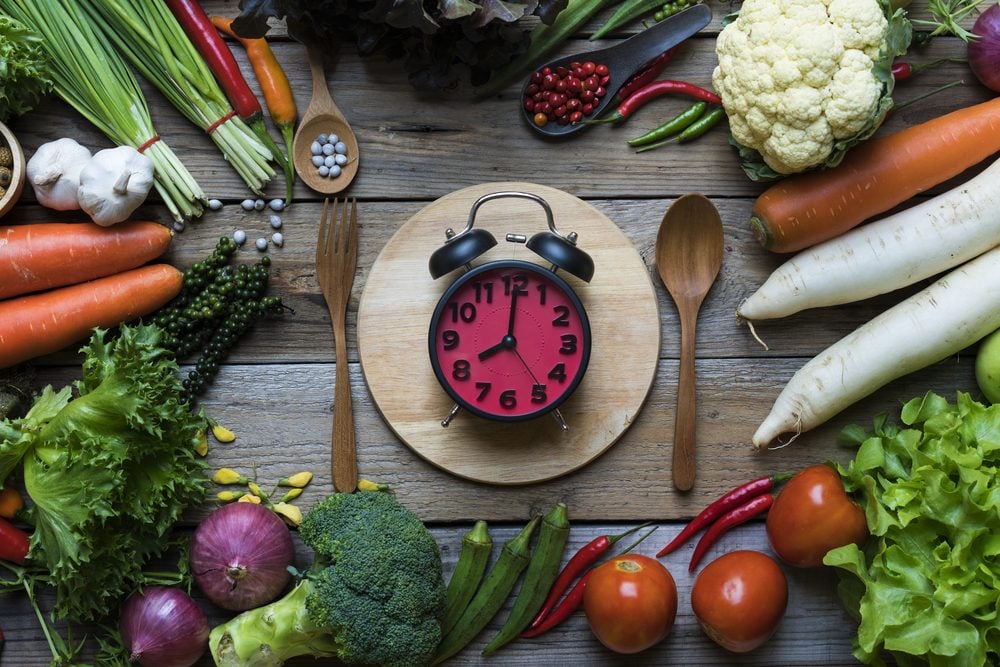
Food clock. Healthy food concept on wooden tableChutima Chaochaiya/Shutterstock

The keto diet is popular among people looking to shed pounds. But the question remains: Is keto diet safe in the long-term? Here, what researchers and doctors want you to know.

What is the keto diet?

The ketogenic (keto) diet is a high-fat, low-calorie diet. People following the keto diet aim to eat 75 percent of their calories from fat, 20 percent from protein, and 5 percent from carbohydrates. If you're curious about the plan, check out these before-and-after keto diet pictures. The keto diet has been used for decades to help children with certain types of epilepsy avoid seizures—and research backs up the continuous use in these people.

What about everyone else: Is keto diet safe in the long term?

How long the keto diet is safe for weight loss is still under study. Early research found that overweight individuals who followed it for 24 weeks had positive results. Another study recommends people follow the diet for no more than 12 months. Even during that time, say the authors, "close monitoring of [kidney] functions while on a ketogenic diet is imperative." In other words, let your doctor know what you're up to, and keep an eye on your kidney health. Beyond a year, no one's really sure how safe the diet is.

"My professional recommended period of following the keto diet is about six months maximum, and that will also depend on how much the person weighed prior to starting the diet and the state of his or her overall health within those six months," says Nikola Djordjevic, MD, of MedAlertHelp.org.

He adds, "That said, I highly advise that anyone on the keto diet get checked by a professional nutritionist or a medical doctor regularly to make sure he or she hasn't developed any complications like hypertension."

Precautions to take with long-term keto dieting

Despite all the keto success stories, most doctors still warn against the plan—in part because U.S. News & World Report ranked it as one of the worst diets. Doctors who do support keto say there are rules and guidelines that are more likely to keep the diet effective and healthy, starting with:

Focus on quality fats

"Since the largest component of a keto diet is fat, my biggest concern with keto is that the fats consumed may not be healthy ones," says Alvin Berger, MS, PhD, adjunct professor of nutrition at the University of Minnesota and CEO of SciaEssentials. "Examples of undesirable fats include excessive amounts of coconut oil, deep-fried fats, lard, and oxidized/rancid fats." Dr. Berger suggests you work with a certified nutritionist, particularly one with an expertise in fats, to hone your keto diet for the long term.

Don't waste your carbs

Keto eaters find a lot of "low-carb" hacks for their favorite non-keto foods, from chocolate chip cookies to baked bread, but Dr. Berger says you should use the carbs you can consume on healthier options, like vegetables.

Pay attention to micronutrients

Keto dieters can miss out on some key nutrients like electrolytes such as sodium and potassium, says Jennifer Mason, MS RD, a dietitian who specializes in low-carb and keto diets. Without adequate sources of these two nutrients, you may experience nausea, weakness, muscle cramps, and constipation—or the keto flu. You can try supplements, or focus on nutrient-rich foods that will provide you what you need.

Eat real food

Your pharmacy shelves are groaning under the weight of keto supplements, but Adam Nally, DO, author of The Keto Cure, advises steering clear. "I recommend using real food instead of protein powders and MCT oil," he says. "Adequate nutrients in a ketogenic diet come from eating real animal protein and real animal fat over the long term." If you are considering keto supplements, review this list of the keto supplements that might be worth your money.

quarta-feira, 3 de abril de 2019

‘Cheat day’ during keto diet may damage blood vessels

HealthPosted at: Apr 3, 2019, 12:21 PM; last updated: Apr 3, 2019, 12:21 PM (IST)

TORONTO: Having just a plate of fries or a bottle of soda while following a 'keto diet' may damage your blood vessels, say scientists who warn against going for a 'cheat day' while following the popular weight loss regime.

The ketogenic or keto diet has become very common for weight loss or to manage diseases like type 2 diabetes.

"It consists of eating foods rich in fats, moderate in protein, but very low in carbohydrates and it causes the body to go into a state called ketosis," said Jonathan Little, associate professor at University of British Columbia (UBC) in Canada.

The diet can be very effective because once the body is in ketosis and starved for its preferred fuel glucose, the body's chemistry changes and it begins to aggressively burn its fat stores, Little said in a statement.

This leads to weight loss and can reverse the symptoms of diseases like Type 2 diabetes.

The often embraced 'cheat day' is a common theme in many diets. However, researchers found just one 75-gramme dose of glucose—the equivalent a large bottle of soda or a plate of fries—while on a high fat, low carbohydrate diet can lead to damaged blood vessels.

"We were interested in finding out what happens to the body's physiology once a dose of glucose is reintroduced," said Cody Durrer, doctoral student at UBC.

"Since impaired glucose tolerance and spikes in blood sugar levels are known to be associated with an increased risk in cardiovascular disease, it made sense to look at what was happening in the blood vessels after a sugar hit," said Durrer.

For their test, the researchers recruited nine healthy young males and had them consume a 75-gramme glucose drink before and after a seven-day high fat, low carbohydrate diet.

The diet consisted of 70 per cent fat, 10 per cent carbohydrates and 20 per cent protein, similar to that of a modern ketogenic diet.

"We were originally looking for things like an inflammatory response or reduced tolerance to blood glucose. What we found instead were biomarkers in the blood suggesting that vessel walls were being damaged by the sudden spike in glucose," said Durrer.

The most likely culprit for the damage is the body's own metabolic response to excess blood sugar, which causes blood vessel cells to shed and possibly die.

"Even though these were otherwise healthy young males, when we looked at their blood vessel health after consuming the glucose drink, the results looked like they might have come from someone with poor cardiovascular health," said Little.

The researchers point out that with only nine individuals included in the study, more work is needed to verify their findings, but that the results should give those on a keto diet pause when considering a cheat day.

"My concern is that many of the people going on a keto diet—whether it's to lose weight, to treat Type 2 diabetes, or some other health reason—may be undoing some of the positive impacts on their blood vessels if they suddenly blast them with glucose," Little said.

"Especially if these people are at a higher risk for cardiovascular disease in the first place," he said.

"Our data suggests a ketogenic diet is not something you do for six days a week and take Saturday off," he added. PTI

terça-feira, 2 de abril de 2019

On the keto diet? Ditch the cheat day, study says

The often embraced 'cheat day' is a common theme in many diets and the popular ketogenic diet is no exception. But new research from UBC's Okanagan campus says that just one 75-gram dose of glucose—the equivalent a large bottle of soda or a plate of fries—while on a high fat, low carbohydrate diet can lead to damaged blood vessels.

"The ketogenic—or keto—diet has become very common for weight loss or to manage diseases like type 2 diabetes," says Jonathan Little, associate professor in the School of Health and Exercise Sciences at UBCO and study senior author. "It consists of eating foods rich in fats, moderate in protein, but very low in carbohydrates and it causes the body to go into a state called ketosis."

Little says the diet can be very effective because once the body is in ketosis and starved for its preferred fuel glucose, the body's chemistry changes and it begins to aggressively burn its fat stores. This leads to weight loss and can reverse the symptoms of diseases like Type 2 diabetes.

"We were interested in finding out what happens to the body's physiology once a dose of glucose is reintroduced," says Cody Durrer, UBC Okanagan doctoral student and study first author. "Since impaired glucose tolerance and spikes in blood sugar levels are known to be associated with an increased risk in cardiovascular disease, it made sense to look at what was happening in the blood vessels after a sugar hit."

For their test, the researchers recruited nine healthy young males and had them consume a 75-gram glucose drink before and after a seven-day high fat, low carbohydrate diet. The diet consisted of 70 per cent fat, 10 per cent carbohydrates and 20 per cent protein, similar to that of a modern ketogenic diet.

"We were originally looking for things like an inflammatory response or reduced tolerance to blood glucose," says Durrer. "What we found instead were biomarkers in the blood suggesting that vessel walls were being damaged by the sudden spike in glucose."

Little says the most likely culprit for the damage is the body's own metabolic response to excess blood sugar, which causes blood vessel cells to shed and possibly die.

"Even though these were otherwise healthy young males, when we looked at their blood vessel health after consuming the glucose drink, the results looked like they might have come from someone with poor cardiovascular health," adds Little. "It was somewhat alarming."

The researchers point out that with only nine individuals included in the study, more work is needed to verify their findings, but that the results should give those on a keto diet pause when considering a cheat day.

"My concern is that many of the people going on a keto diet—whether it's to lose weight, to treat Type 2 diabetes, or some other health reason—may be undoing some of the positive impacts on their blood vessels if they suddenly blast them with glucose," he says. "Especially if these people are at a higher risk for cardiovascular disease in the first place."

"Our data suggests a ketogenic diet is not something you do for six days a week and take Saturday off."

More information: Cody Durrer et al, Short-Term Low-Carbohydrate High-Fat Diet in Healthy Young Males Renders the Endothelium Susceptible to Hyperglycemia-Induced Damage, An Exploratory Analysis, Nutrients (2019). DOI: 10.3390/nu11030489

Citation: On the keto diet? Ditch the cheat day, study says (2019, March 27) retrieved 3 April 2019 from https://medicalxpress.com/news/2019-03-keto-diet-ditch-day.html

This document is subject to copyright. Apart from any fair dealing for the purpose of private study or research, no part may be reproduced without the written permission. The content is provided for information purposes only.

A Cheat Day on the Keto Diet May Damage Your Blood Vessels

March 29, 2019

The ketogenic diet may be one of the most popular diets right now, but it's also among the toughest to stick to. For that reason, many followers try to make the very low carb, high-fat plan work by adding in a "cheat day" — a day (or meal) when they go off keto.

Think twice before you make that a lifestyle — a small, preliminary study published in the February 2019 issue of Nutrients suggests that a cheat day on keto may actually damage blood vessels.

RELATED: 8 Steps Beginners Should Take Before Trying the Keto Diet

How Researchers Studied the Effects of Keto on the Blood Vessels

In the study, nine healthy men drank a solution containing 75 grams (g) of glucose and had blood and vascular testing done to assess their response to the high-sugar drink. They then received meal plans and packaged food and followed a ketogenic diet for seven days.

The diet was made up of 70 percent of calories from fat, 20 percent from protein, and 10 percent from carbohydrates. This was enough time that their bodies began to burn ketones for fuel rather than relying on carbs for energy, which is what your body typically does. Yet while they were somewhat in ketosis, they were likely not fully "keto-adapted" after just one week, the researchers say. The body becomes keto-adapted when it becomes trained to depend on fat instead of carbs.

After the week on the diet, they came off on day eight by drinking another 75 g glucose drink. (For reference, those on keto often eat just 20 to 50 total g of carbs a day.)

Following additional blood work, researchers analyzed various health markers indicating inflammation or impaired glucose tolerance. What they found was evidence that endothelial cells, which line blood vessel walls, had been damaged.

"The endothelial cells lining the blood vessels are exposed to everything that circulates in the blood. They take up glucose in direct proportion to its concentration in the blood in a sort of unregulated fashion," says the senior author of the study, Jonathan P. Little, PhD, an assistant professor at the University of British Columbia Okanagan in Kelowna. "Based on studies of endothelial cells in culture, the surge in glucose causes an increase in oxidative stress that damages the cells and impairs their function," he says.

RELATED: What Are the Health Benefits and Risks of the Keto Diet?

Why We Need More Research on the Cellular Effects of the Keto Diet

The long-term implications are unclear. The damage seen was "transient," says Dr. Little. "It only lasted for the hour or so when glucose was spiked and then went back to baseline," he says. Therefore, it's not known how these effects may compound over time if, say, someone was following a keto-cheat day pattern for six months or longer.

Also important is maintaining perspective. This was a study on nine males. It wasn't a representative sample involving women and people of varying ages. Also consider that these participants were only on a keto diet for a week. For people who were on it for longer and thus fully keto-adapted, their results may be worse. "I would anticipate that the impaired glucose tolerance in a previously healthy insulin-sensitive person following a long-term ketogenic diet would be even more pronounced, and the surge in glucose might be even more damaging — but we cannot confirm this in our study," says Little.

But Little also points out that the risks of this blood vessel damage may not outweigh the benefits of potential weight loss and blood sugar control in those following keto who are obese or have type 2 diabetes. Early research, including a study published in September 2018 in the journal Expert Review of Endocrinology & Metabolism, suggests the keto diet can help obese people lose weight and those with type 2 diabetes better control their blood sugar. "These benefits of the ketogenic diet for reducing their overall risk of cardiovascular disease are likely to outweigh the small increase in blood vessel damage they might incur on a 'cheat day,'" Little says. Although researchers don't know how the keto diet affects heart disease risk in the long term, the American Heart Association notes that being overweight or obese, or having diabetes, are risk factors for this health condition.

RELATED: 11 Health Conditions Keto May Help — and 6 It Won't

What to Take Away From the Study if You're Considering the Keto Diet

The ketogenic diet is hotly contested right now. Originally, scientists created a strict version of keto to help control seizures in children with epilepsy — something it does well, according to the Epilepsy Foundation. Since then, it's been co-opted as a fad diet, but highly criticized because it lacks long-term studies on its efficacy and safety as a weight loss diet.

If you're on keto, this research might be a bit of a wake-up call. "Keto is not a diet that you can do halfway. To stay in ketosis, you have to commit to it. You either keto or you don't," says Amy Kubal, RDN, a registered dietitian in Sioux Falls, South Dakota.

When you overload your body with a sudden dump of glucose — as is what happens on a cheat day — the resulting blood sugar spike essentially throws your body a curveball. An unexpected surge of carbs at this time can affect your digestion, and make you fatigued, among other ills, and it may put you at risk for health problems down the line, says Kubal. "If you need a cheat day, keto is not right for you. You need to find a way to eat that fits your lifestyle and needs," she says.

That's the advice she gives anyone on any diet when it comes to cheat days: Just don't. "A better idea is to find a way to fit the foods you enjoy into your regular, everyday diet," says Kubal.

RELATED: 10 Popular Low-Carb Diets, and Their Pros and Cons

Jenna Jameson on keto diet: importance of before and after pictures on keto

'I HATED seeing them - until I started seeing progress!' Jenna Jameson stresses how much her 'before' photos helped her weight loss - after she shed an impressive 80 lbs. on the keto diet
  • The 44-year-old had trouble losing weight after giving birth to her daughter Batel Lu nearly two years ago
  • In April 2018, she weighed 187 lbs. and started the ketogenic diet 
  • Jenna is now down to about 107 lbs. and has shared plenty of tips and habits with fans along the way
  • The former porn star said this week that taking before pictures is important because it shows your progress 
  • Former porn star Jenna Jameson has lost a whopping 80 lbs. since she started the keto diet less than a year ago — and she says her heavy 'before' pictures serve as major motivation to stick to it.

    The 44-year-old put on quite a bit of weight when she was pregnant with her daughter Batel Lu, who turns two on April 7. And a year after giving birth, she was still struggling to shed the extra pounds.

    Since starting keto, she's gotten down from 187 lbs. to about 107 lbs., and says those dreaded 'before' pictures have been an important tool for tracking her progress and keeping her motivated.

    Transformation: Former porn star Jenna Jameson has lost a whopping 80 lbs. since she started the keto diet less than a year ago

    Documentation: She says her heavy 'before' pictures serve as major motivation to stick to it

    Progress: The 44-year-old has been happily showing off her slimmer figure

    On Sunday, the mother-of-thre e posted before-and-after shots of herself on Instagram. 

    In the 'before' shot, taken from behind, she is wearing a white striped maxi dress and holding her daughter's hand. In the after, also taken from the back, she is wearing a white sports bra and matching leggings, showing off a much slimmer body.

    'I cannot stress enough the importance of taking "before pics,"' she wrote. 'I HATED SEEING THESE PICTURES UNTIL I STARTED SEEING PROGRESS! 

    'So if you are beginning your journey or even thinking about #keto please take my advice and take jumping off pictures!!!! 

    'Next step is to clean out your kitchen of garbage processed foods and inform your family that the household is building healthy bodies!'  

    Though the heavy shots may have made Jenna cringe at first, she now proudly posts them on Instagram to show how far sh e has come with months of hard work.

    She uploaded several new ones every month and discusses the struggles, setbacks, and victories of her diet.

    Tracking it: She has gotten down from 187 lbs. less than a year ago to about 107 lbs. now (left: before, right: after)

    Pregnancy weight: She put on quite a bit of weight when she was pregnant with her daughter Batel Lu, who turns two on April 7 (left: before, right: after)

    'After I had Batel I felt betrayed by my body,' she wrote a week ago. 'That was denial. I denied the fact that I CHOSE terrible foods to satiate the incredible hunger I felt from breastfeeding. 

    'It can be an overwhelming feeling. One that was foreign to me. I no longer was pregnant, but was even hungrier than when I was. My body ballooned. My confidence shrank. 

    'I avoided mirrors. I photoshopped. I have never pinned happiness on my weight, but I knew I was betraying my body,' she went on.

    'I see now how important self love is, and treating your vessel with respect and love is imperative. Everyone asks me how do I start this lifestyle. I recommend learning to love your body and strive to treat it right!'

    In fact, Jenna's regular keto updates have transformed her social media following, too: The former porn star has become weight loss and healthy lifestyle inspiration for many.

    So how has she done it? Jenna had tried for a year after giving birth to regain her pre-baby body, but didn't succeed until she started keto.

    Flashback: Jenna's body has changed over the years (pictured in 2002 at a Korn concert)

    'I cannot stress enough the importance of taking "before pics,"' she said. 'I HATED SEEING THESE PICTURES UNT IL I STARTED SEEING PROGRESS!'

    Informed: She has frequently updated her followers on her weight loss journey 

    'Let's talk menu,' she wrote last year. 'I am one of those odd people that doesn't need variety. Every morning I eat the exact same thing. 3 eggs with cheese and an avocado. 

    'Lunch is my biggest meal, I always eat arugula salad, grilled asparagus or zucchini with some kind of meat (usually a hamburger patty or grilled chicken). 

    'I then snack when ever I feel hungry (usually on almonds or macadamia nuts... sometime cottage cheese).

    'Then I begin my fast at 6 pm. I drink lots of water until I go to sleep at around 10 pm. I drink coffee at 8 am and I end my fast at 11 am. That's it! No magic, no fancy diet... just clean whole organic foods. I waved bye bye to anything processed or packaged a long time ago.'< /p>

    Jenna has also insisted that she isn't a workout fanatic, and nearly all of her body transformation is due to her diet. 

    'I feel like they won't believe I lost all of this weight by diet alone. But that's the truth. I wish I was an avid gym head, but I'm just not. I despise the gym,' she said. 

    Easy: For diet, Jenna said she doesn't need a lot of variety and starts each day with eggs, cheese, and avocado

    Eating habits: Jenna also insisted that she doesn't go to the gym and her body transformation is from diet alone

    'I've been athletic all my life, plus a ballerina for a good part of it also. So once I took the pounds off, my muscles were underneath. 

    'Don't get me wrong, I've tried the gym and yoga... but failed. Now I do things like power walks with Batelli to the market everyday and I core strengthen by holding my stomach taught and flexing for as long as I can. 

    She has also addressed what she has done when her weight has hit plateaus and she was no longer losing.

    'What do you do if you don't see progress for weeks or even months? Well, here's what I do. First, I cut dairy. Dairy can be problematic for people because they over do it! Cut it and it usually kickstarts weight loss again. 

    'Intermittent fasting will definitely help you over a plateau. My fasting schedule is quite simple... I eat hearty, healthy keto meals from 11am -6pm. Then I fast. 

    'Lastly, stop eating foods that effect you negatively. There are certain foods that are keto, that just don't sit well with me. For me, almond flour can really mess with my tummy. Not sure why. I feel bloated and yucky if I indulge. So I rarely eat it.'

    Not eating: Jenna has also recommended intermittent fasting for when weight loss plateaus 

    While Jenna swears by the keto diet — as do several other celebrities and fitness bloggers — the hyper-restrictive diet also has its critics.

    The keto diet works by putting the body in ketosis and making it necessary to burn fat for energy instead of glucose, which some dietitians and nutritionists say can be good to some degree — but many keto fanatics take it too far.

    Jillian Michaels made headlines earlier this year for speaking out against keto. She pointed out on her blog that ketosis is 'considered a state of medical emergency,' so it can't sustain that for long without negative side-effects.

    'I don't understand,' she said in a video for Women's Health magazine. 'Like, why would anyone think this is a good idea? 

    'Your cells, your macro molecules, are literally made up of protein, fat, carbohydrates, nucleic acids. When you do not eat one of the three macro nutrients — those three things I just mentioned — you're starving yourselves.

    'Those macro nutrients serve a very important purpose for your overall health and wellbeing. Each and every one of them.'  

    Sticking to it: Jenna has defended her diet against critics who say the keto diet is unhealthy

    Diet: The keto diet works by putting the body in ketosis and making it necessary to burn fat for energy instead of glucose

    Jenna has defended the diet against criticism, insisting that 'people get scared into overthinking keto.' 

    Jenna regularly stands up for her beliefs on social media.  A few weeks ago, she shot back at critics who voiced disapproval of her practice  of still breastfeedin g her 23-month-old daughter.

    On February 28, she posted a stunning image of herself in a strapless floral dress, with the front pulled down on one side so that her daughter Batel Lu can nurse.

    But while the picture received plenty of love and support, it also earned some criticism from commenters who insisted that the nearly two-year-old toddler is too old to be breastfeeding.

    Jenna simply captioned the photo, which depicts her standing outside by a pool, 'Fierce love.'

    The picture has been liked over 22,300 times, and commenters called it 'beautiful,' 'feminine,' and 'gorgeous.' 

    Mama: Jenna shared a photo of herself breastfeeding her 23-month-old daughter Batel Lu on February 28

    To the comments! She received plenty of praise and some criticism

    Not lying down: Sever al critics said her daughter is too old to be nursing; Jenna replied to a few, telling them to 'educate' themselves

    She said: 'Breastfeeding isn't the problem. Peoples backwards opinions are'

    Outspoken: Jenna has been very vocal about breastfeeding, and has shared images of herself nursing her daughter on a number of occasions in the past

    Make it glam: The new breastfeeding photo was taken during a shoot that Jenna and Batel Lu did with photographer Ivette Ivens last year

    But not everyone was on board — and as Yahoo points out, Jenna isn't one to let criticism slide. 

    When one commenter said the photo was 'weird,' Jenna responded: 'Sorry it bothers you, maybe once you're a mom you'll understand its importance.'

    And to another: 'Why does it bother you how I mother my child? I'm sorry it bothers you that I love my child and want to provide the very best for her.

    After another asked her why she couldn't just 'pump and put it in a cup,' Jenna said: 'Breastfeeding isn't the problem. Peoples backwards opinions are.'

    And when one said that now that her daughter is 'able to eat regular food and has teeth... she's too old to be breastfeeding,' Jenna said: 'Babies get teeth as early as 3 months. And start solids at 6 months. Please try to educate yourself about breastfeeding into toddlerhood and how beneficial it is.' 

    As for when she'll stop breastfeeding Batel Lu, who is her third child (she also has nine-year-old sons Jesse and Journey with ex Tito Ortiz), she said: 'I'll allow her to dictate when she's read to wean.' 

    A little of this, a little of that: The 44-year-old's daughter, Batel Lu, doesn't just drink breast milk — she also eats solid food

    Up to her: The little girl turns two next month, and Jenna said she will wean when she wants to

    Invested: Jenna, who has older twin boys with her ex, said motherhood is her calling — and she especially loves caring for her kids after she grew up without a mother

    Photographer Ivette Ivans took the shot, and shared it on her own account as well. 

    'A real life example that you CAN be an amazing mother AND hot babe all at once,' she wrote. 

    Jenna has been outspoken about breastfeeding and has shared several images of her nursing her youngest in the past two years. 

    'This is my calling... motherhood. My children have my heart and soul. Coming from my childhood without a mother and an absentee father has made me dig deep and define what it is to me to be a mommy... 

    'I pray I am the mother to sweet Batelli that I dream my mother would have been to me,' she wrote in a post in March of last year, adding the hastag #normalizebreastfeeding.

    And in December, she shared another breastfeeding shot and wrote, 'Breastfeeding a toddler. I prayed we'd make it this long. I'm so proud of you and I Batelli. 

    'It's a given we will receive the unwanted comments saying unneeded things like "that child is too old" or "you should stop nursing when a baby gets teeth" or hundreds more ignorant comments I've seen left on other vulnerable yet strong mothers on Instagram. 

    'It's ok. It's important these beautiful images of how magical mothers are are seen,' she said. 

     Way back: Jenna is pictured breastfeeding her daughter when she was less than a year old

    Loving it: In another post, she listed all the nutrients in breast milk

    'Meeting your child's dependency needs is the key to helping your child achieve independence. Children outgrow these needs in their own time,' she said

    'Your breast remains the one place that doesn't have to be learned again and is always there, never changing in comfort and security,' she said

    She went on to list the nutrients in breast milk and wrote, 'Breastfeeding into toddlerhood also shortens duration of illnesses, results to fewer illnesses and provides overall protection. Breasts pick up bacteria in their surroundings and produce antibodies accordingly.

    'Breastfeeding into toddlerhood also contributes to our babies intellectual, mental and social development.

    'Don't forget the emotional and developmental help it provides. Being a toddler comes with busy days filled with explo ring that sometimes can be overwhelming. 

    'Your breast remains the one place that doesn't have to be learned again and is always there, never changing in comfort and security offering baby a home base of content and calm. 

    'Meeting your child's dependency needs is the key to helping your child achieve independence. Children outgrow these needs in their own time. We are not creating bad habits, but helping our child find a secure way into independence.

    'A mothers milk has no expiration date and neither does the love of a mother,' she said.

    Advertisement

    Twitter Delicious Facebook Digg Stumbleupon Favorites More

     
    Design by Free WordPress Themes | Bloggerized by Lasantha - Premium Blogger Themes | Facebook Themes